The Portrait of a Graduate
The Portrait of a Graduate is the foundation of our curriculum.
Throughout the year, students intentionally develop the qualities we hope every learner carries beyond elementary school:
Lifelong Learner
Effective Communicator & Collaborator
Critical Thinker & Problem Solver
Active Citizen
Positive Community Member
These are not taught in isolation. They are developed through everyday learning experiences across every subject.
Students are encouraged to reflect on their growth, recognize evidence of these habits in their work, and set goals for continued improvement.

A Three-Year Learning Journey
Science and social studies follow a three-year cycle so that students experience the full curriculum regardless of the year they enter the classroom.
Each year builds around broad themes and essential questions that connect multiple disciplines while allowing students to revisit important concepts with increasing complexity.
Students encounter the same big ideas over time, but expectations grow from Grade PK through Grade 5. This progression supports both academic growth and increasing independence.
Our Multi-Age Philosophy
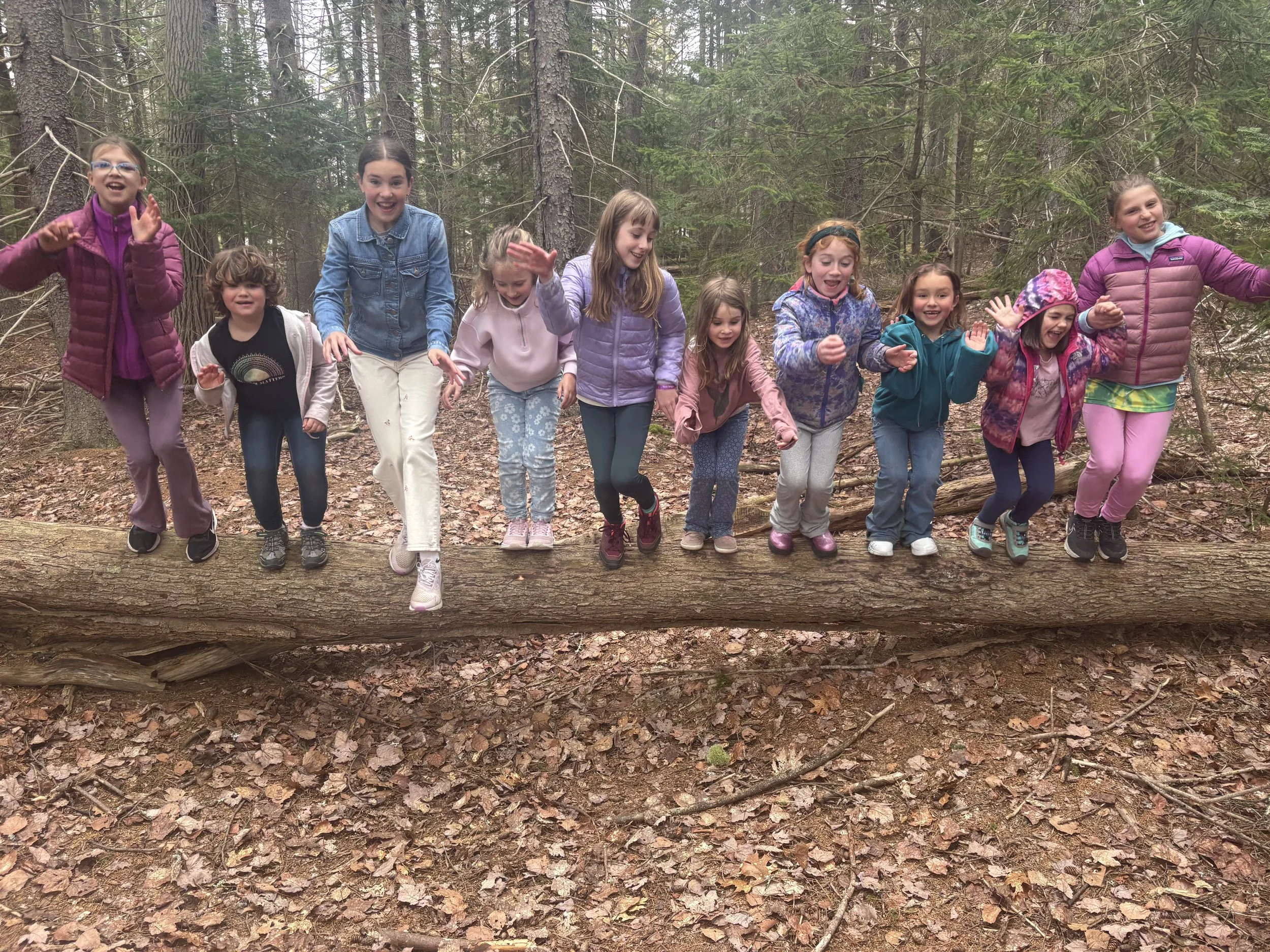
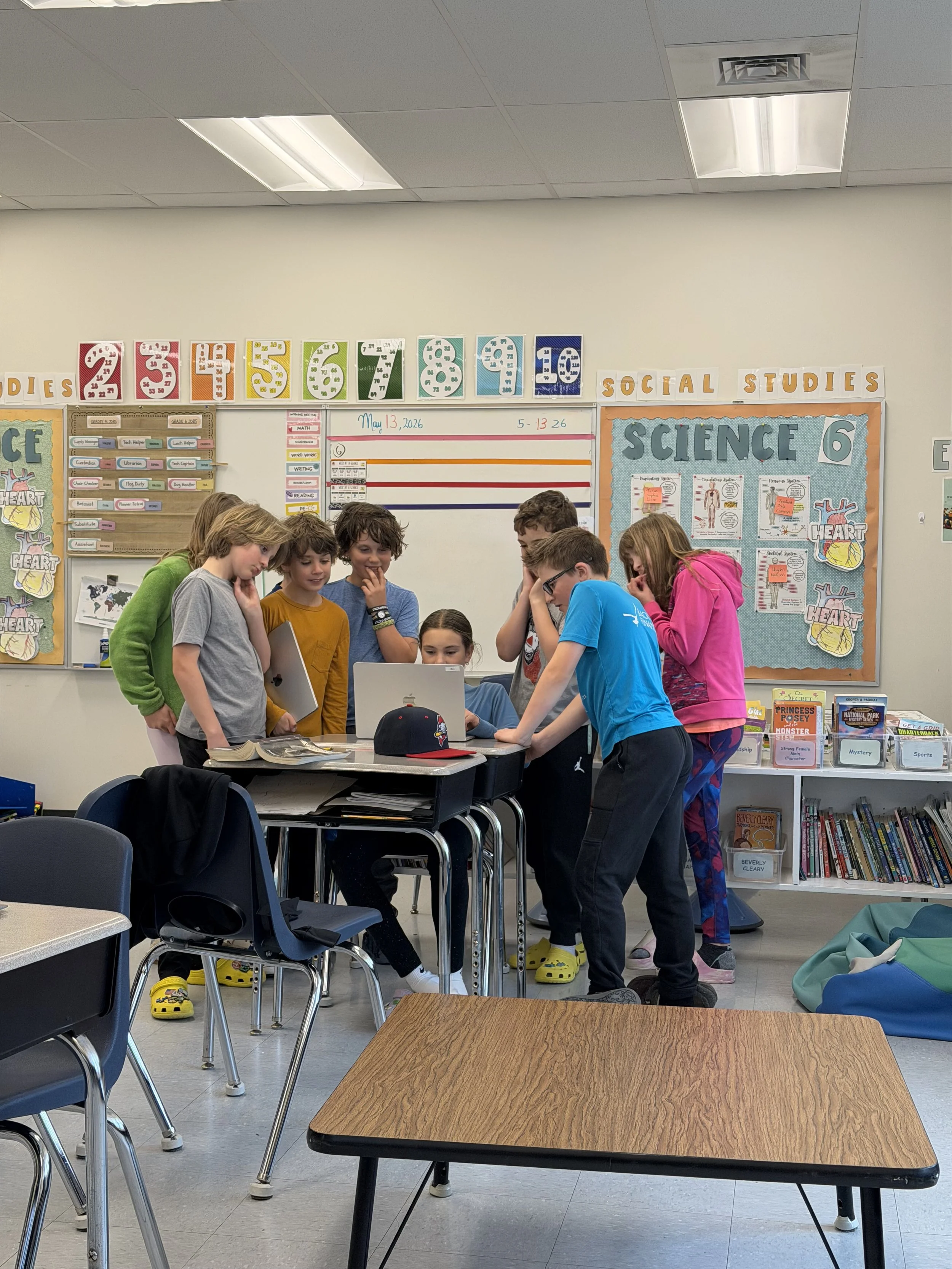
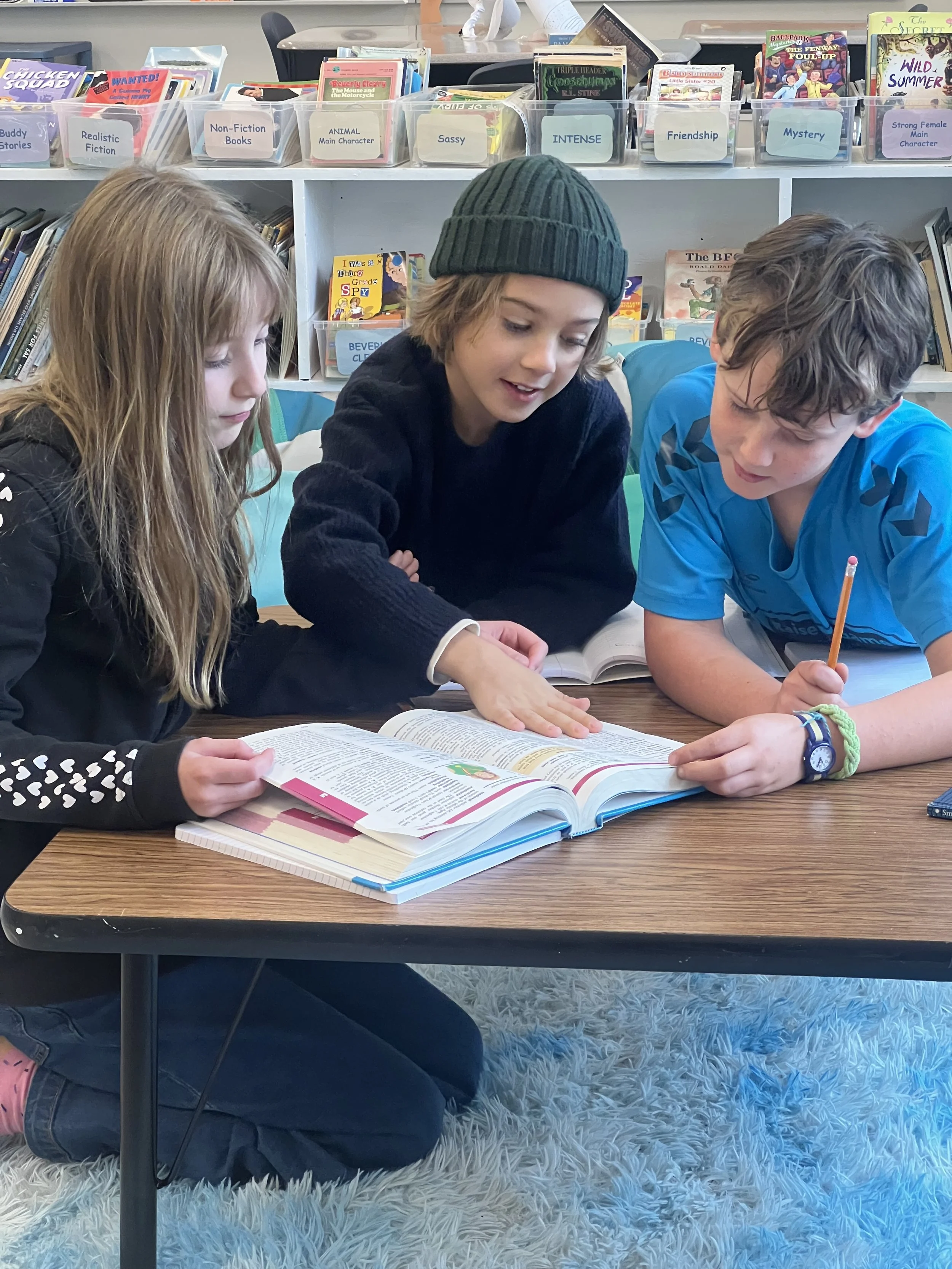
A multi-age classroom is built on the understanding that children develop at different rates while benefiting from learning together. Core skills in math and literacy are taught individually at each student’s optimal learning level based on grade expectations and their individual needs. Multi-age learning gives students flexibility to reach beyond any individual grade level work when appropriate and students are instructed in both grade-level groups as well as mixed-ability skill level groups that spans ages depending on their individual needs.
In our classroom:
every child is both a learner and a teacher.
older students model independence, leadership, and perseverance.
younger students observe what is possible and grow toward greater independence.
learning is flexible enough to meet students where they are while maintaining high expectations for all.
Students revisit important ideas over three years, each time with greater depth and sophistication. This allows learning to build naturally instead of beginning again each fall.
Learning Through Place
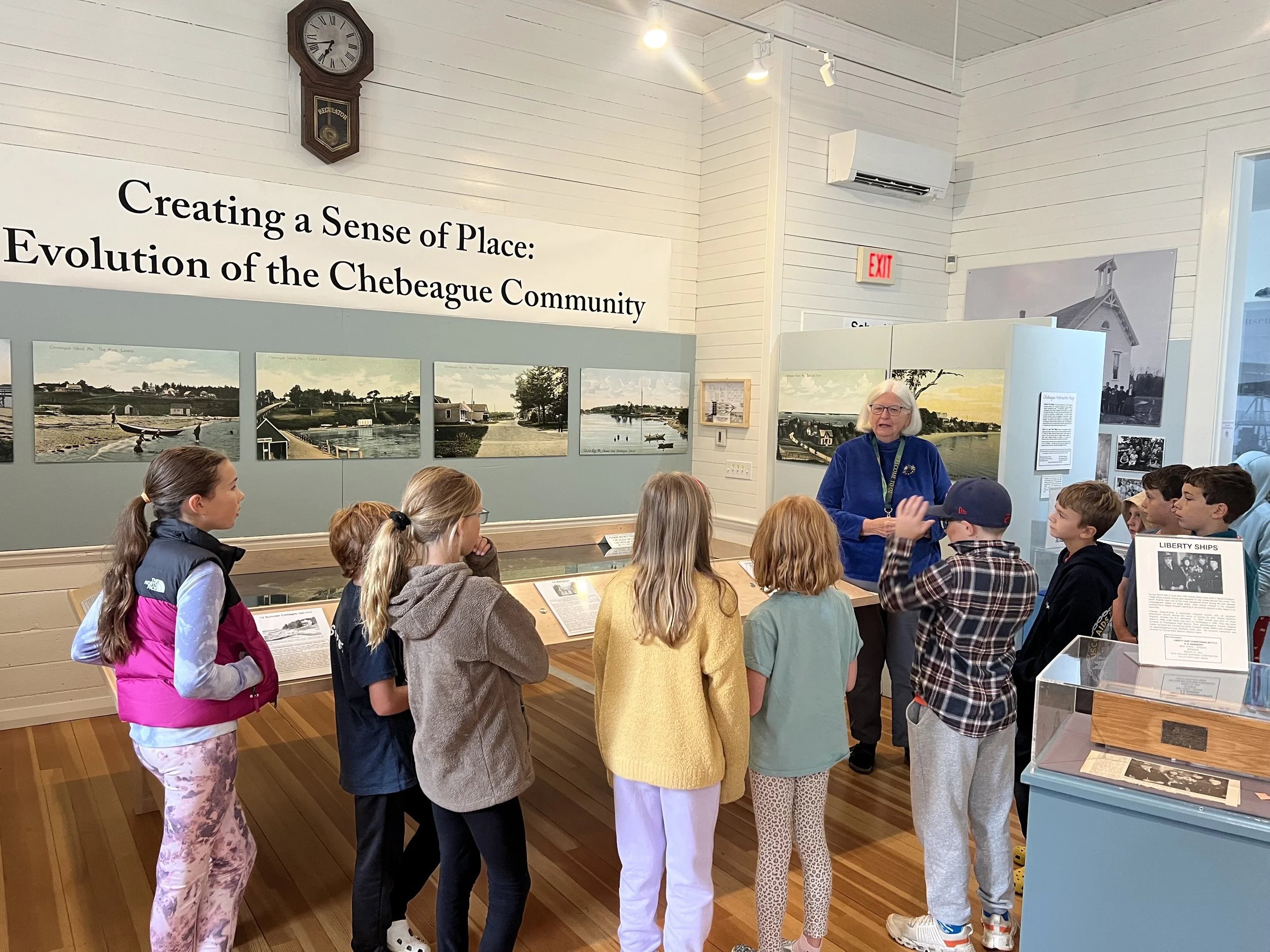
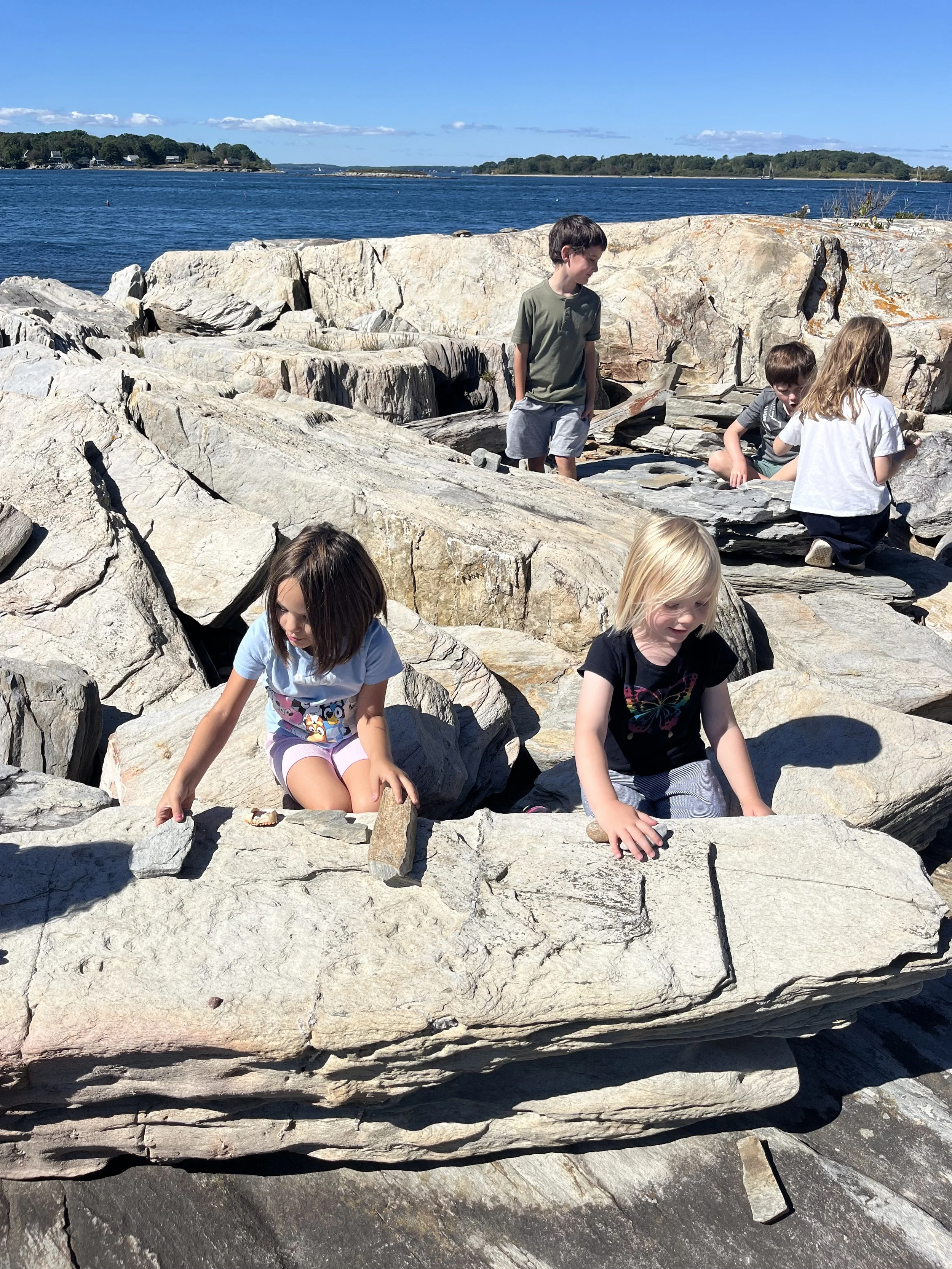
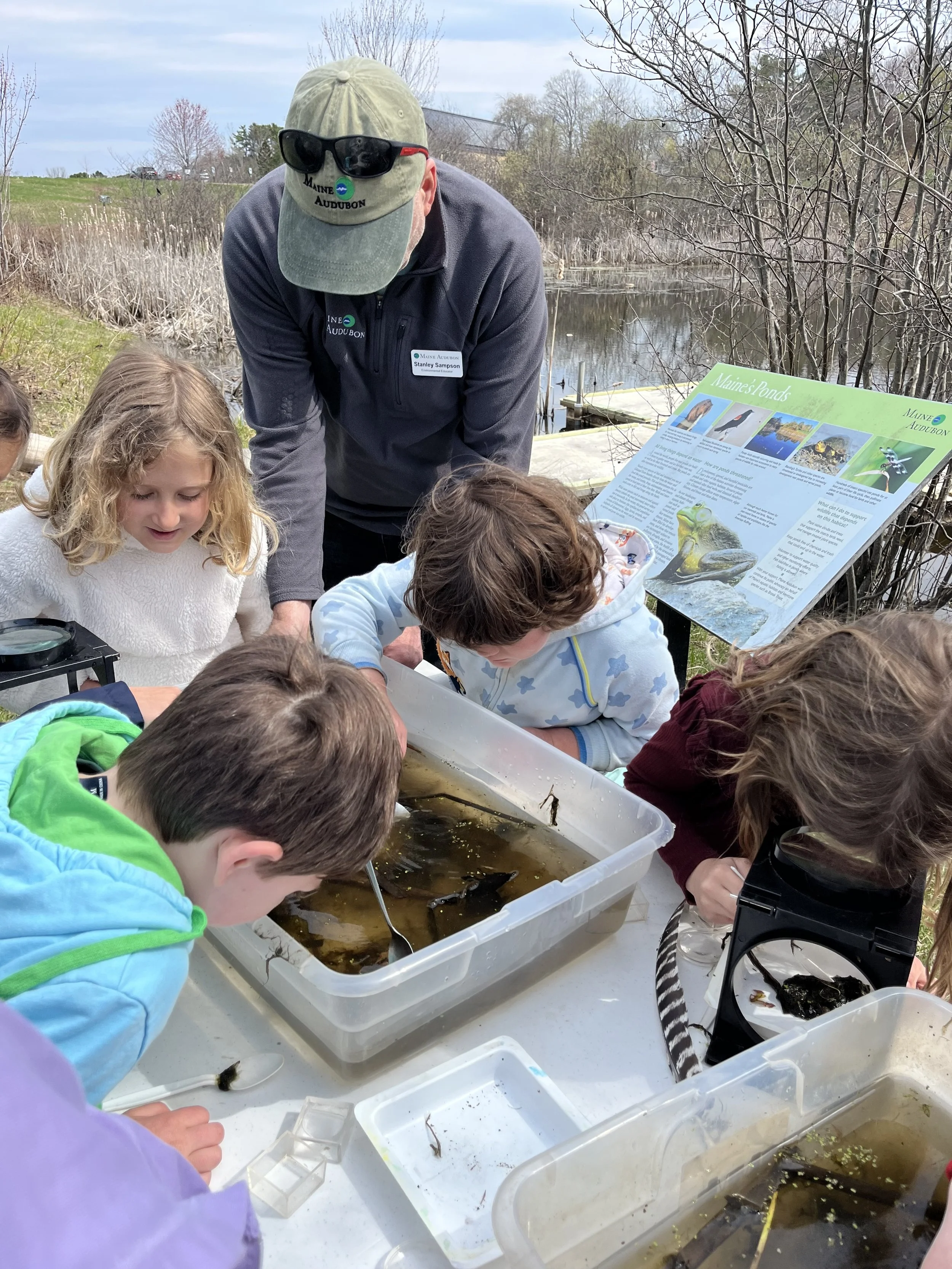
Chebeague Island is more than the location of our school—it is an essential part of our curriculum.
Students learn through the people, history, environment, and traditions of their community while making connections to Maine, the United States, and the wider world.
Whenever possible, learning extends beyond the classroom through:
field investigations
community experts
local history
environmental stewardship
authentic service
outdoor learning
Place-based learning helps students understand that what they learn in school has purpose beyond the classroom walls.
Integrated Learning
Children naturally make connections across subjects. Our curriculum is designed to do the same.
Reading, writing, mathematics, science, and social studies are intentionally connected through shared questions, themes, and projects.
Rather than teaching isolated units, we organize learning around meaningful questions that encourage students to investigate, create, solve problems, and communicate their thinking.
For example, a study of Maine's geography may include:
reading informational texts
analyzing maps
investigating ecosystems
collecting and graphing data
writing informational pieces
exploring Wabanaki perspectives
presenting learning to authentic audiences
This integrated approach helps students see knowledge as connected rather than divided into separate subjects.
Chebeague Island School